
SKIN CODE
Reading skin first,
outside the store too.

In store, COCODEMER measured skin
and compounded a product for each customer.
Not everyone, though,
was able to visit a store.
To apply the same reading
online as well,
we built Skin Code Solution.
THE IDEA
We separated the differences
first.
One criterion was not enough
to read a single person’s skin.
COCODEMER looked at skin
along four axes.
The four axes combine into sixteen skin types.
COCODEMER named this classification
the COCODEMER Skin Type Indicator (CSTI).
16 SKIN TYPES
Sixteen types,
each a different combination.
Sixteen is the number of skin types,
not the number of products.
Each type is a combination
of the four axes.
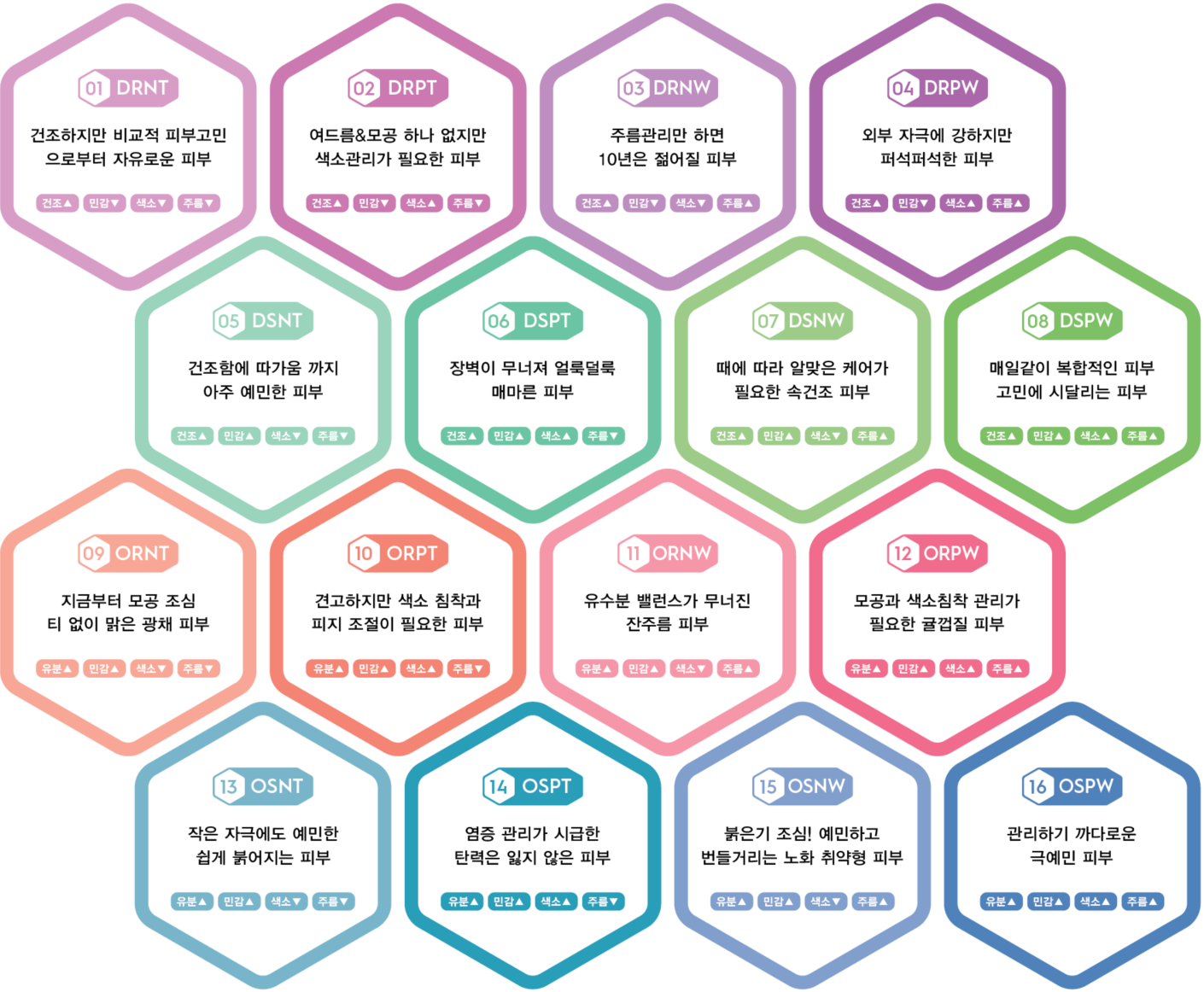 Tap the image to enlarge
HOW IT WORKED
The type was identified,
then compounded to.
- 01ONLINE SKIN TESTSkin condition checked online
- 02SKIN TYPEOne of sixteen types identified
- 03PRESCRIPTIONThe prescription for that type applied
- 04INDIVIDUAL FORMULATIONSerum compounded for the customer
- 05DELIVERYCompounded serum shipped
Skin Code was not a matter of picking one
of a set of ready-made products.
The skin type was identified,
then the serum was compounded
to that prescription for the customer.
Behind Skin Code was
a larger compounding system.
The in-store compounding system allowed
98,319 possible prescriptions.
Working from that, Skin Code sorted skin
into sixteen types and compounded a serum
to the matching prescription
once the online test returned a type.
FORMULATION BASE
Even inside one type,
the making was not identical.
Skin Code worked from
four serum bases,
and varied the actives
by skin type and prescription.
ORIGINAL RECORDS
The Skin Code record,
as it was run.
ARCHIVE
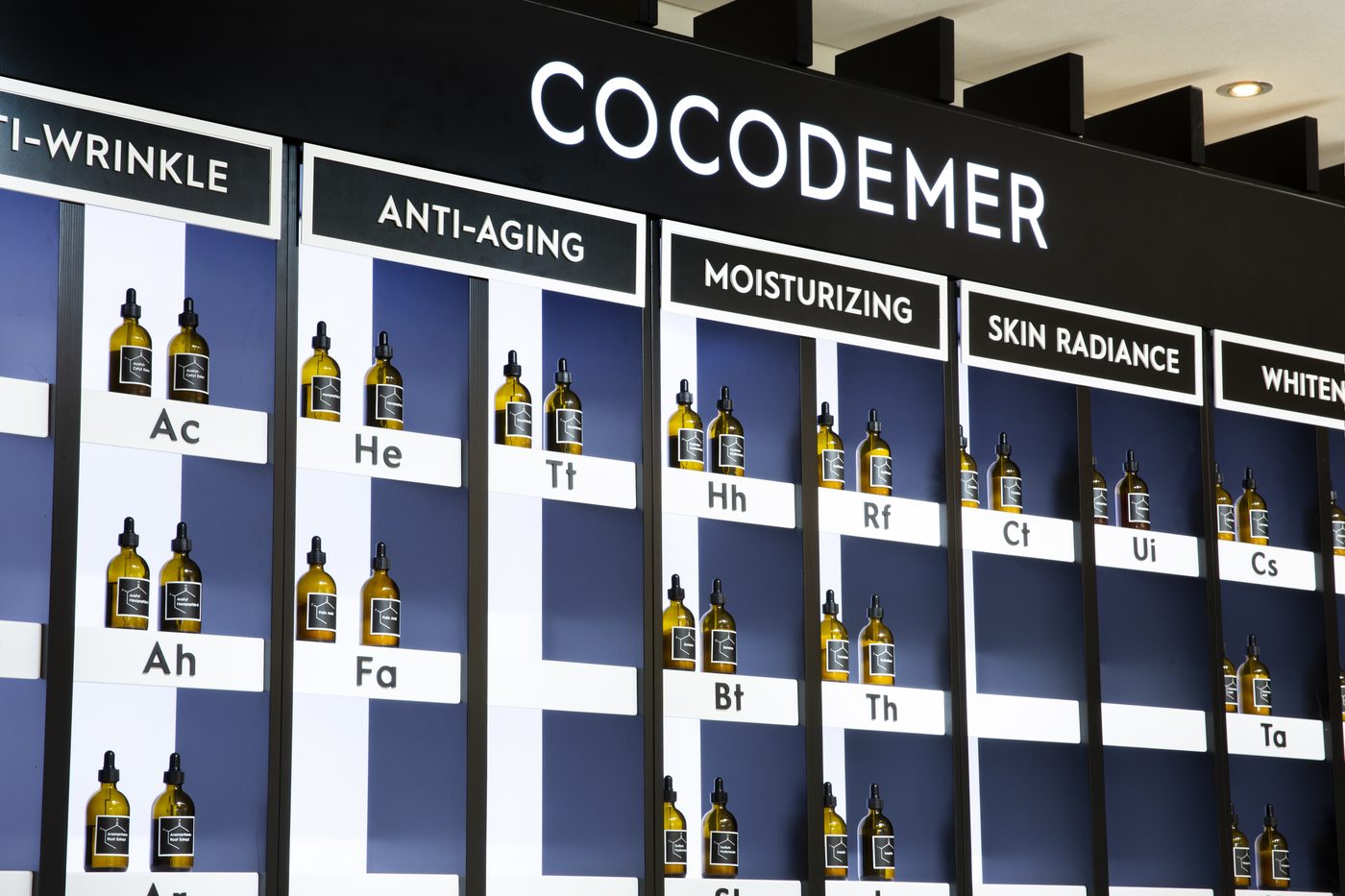
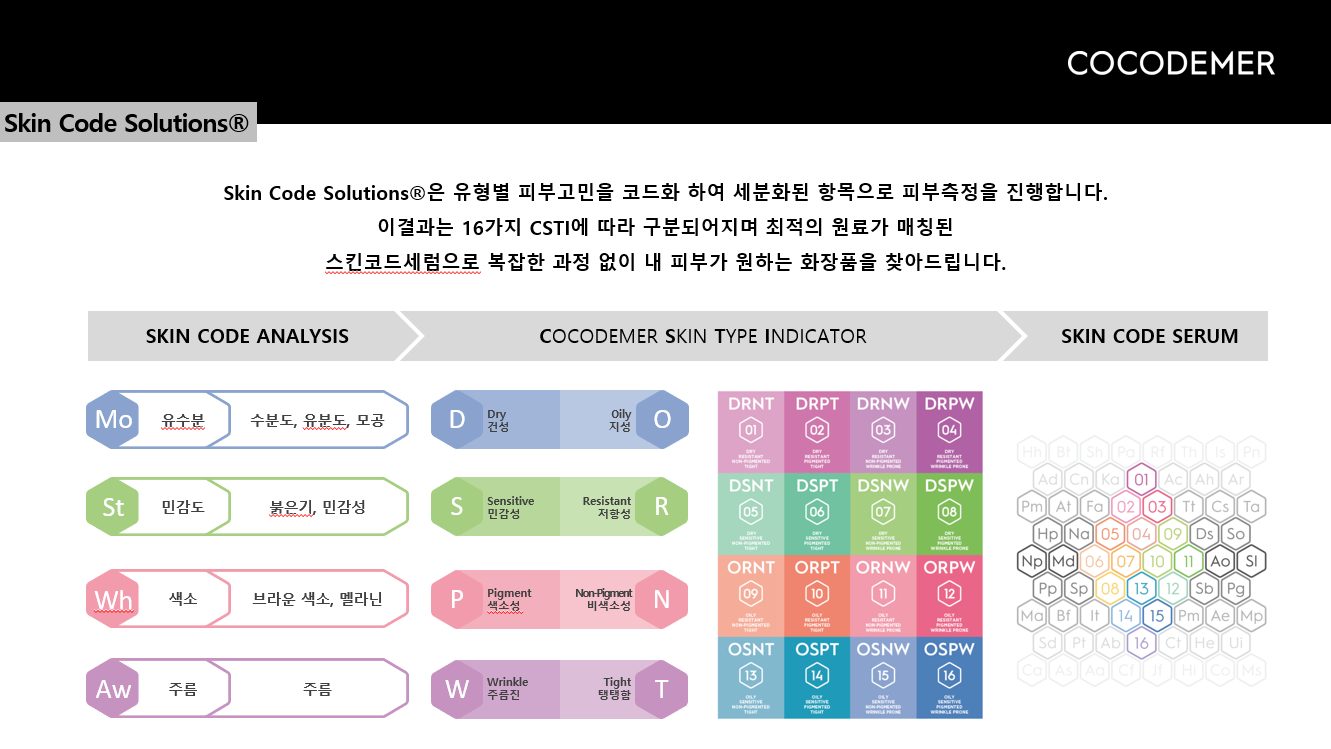
The wording in the images is kept as it was.
The online skin test,
the sixteen skin types,
the serum bases and active codes.
The classification and prescription records
used while Skin Code ran are still kept.
FROM SKIN CODE TO TODAY
Skin Code stopped.
Reading skin first carried on.
Online, too, we separated the differences first.
We still read the skin before making a product.
HERITAGE
From compounding to 17 finished products
and Skin Code —
the COCODEMER record.